Understanding UV Ink Adhesion
The single most important factor when choosing materials for UV printing is surface compatibility. UV ink needs a surface it can bond to, and not all surfaces are created equal.
Here's a quick rule of thumb:
| Surface Type | Adhesion | Needs Promoter | Good For |
|---|---|---|---|
| Powder-coated | Excellent | No | Mugs, tumblers, metal items |
| Unglazed ceramic | Excellent | No | Coasters, tiles |
| Hard plastic | Usually very good | Varies | Signs, keychains |
| Soft plastic | Typically poor | Yes | Phone cases, containers |
| Raw wood | Excellent | No | Plaques, ornaments |
| Glass | Poor | Yes | Drinkware, decorative items |
| Bare metal | Typically poor | Yes | Household items |
| Glossy/sublimation coated | Poor | N/A | AVOID for UV printing |
Best Beginner Materials
If you're just getting started with UV printing, these materials give you a great chance of success:
1. Powder-Coated Mugs
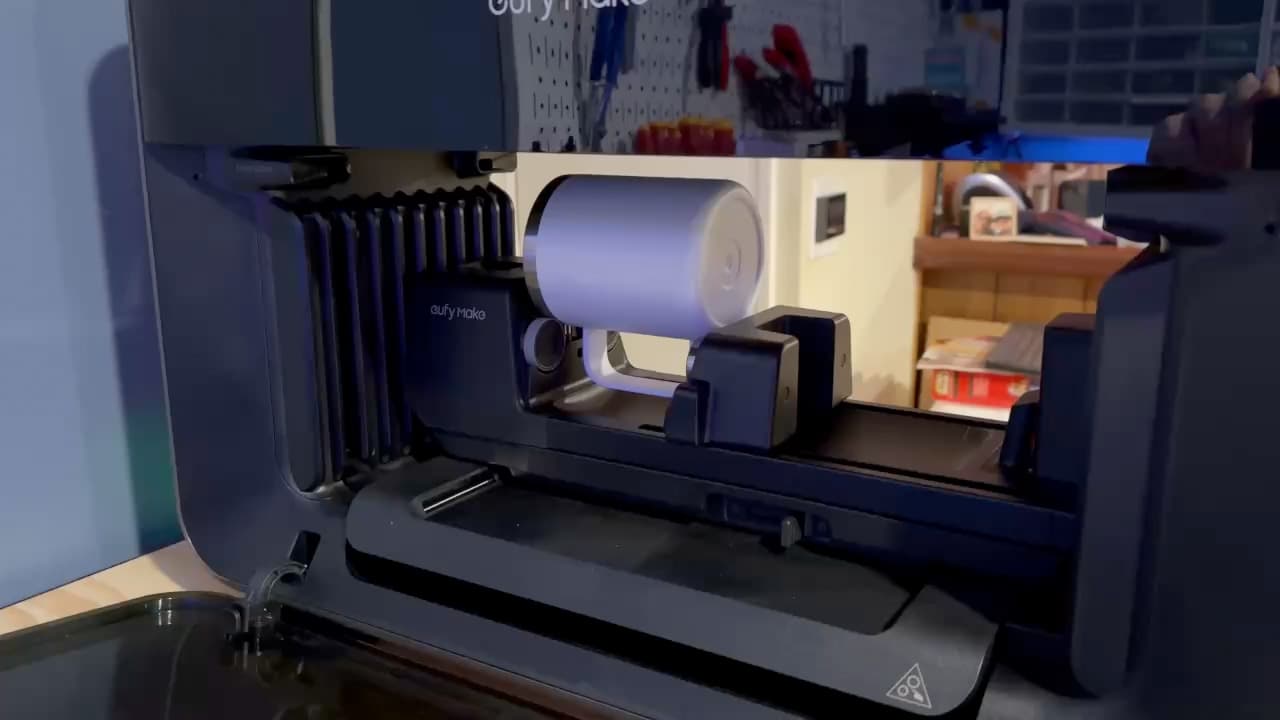
If you have the rotary, attachment, powder-coated drinkware will give you excellent results for UV printing. The textured coating provides an ideal bonding surface for UV ink, and the results are vibrant and durable (if you don't put them through the dishwasher).
20oz Skinny Tumbler with Lid and Straw
Straight-sided skinny tumbler with powder-coated white finish suitable for UV printing. Available with rainbow or gold accent, in single or multi-packs.
Why they work: The powder coating creates a microscopically rough surface that UV ink bonds to extremely well. No promoter required, and prints can withstand regular hand washing.
2. Unglazed Ceramic Coasters
Unglazed or semi-porous ceramic coasters produce beautiful results and are a practical item everyone can use.
Unglazed Ceramic Coasters with Cork Backing
Unglazed ceramic tiles with cork backing. The matte surface takes UV ink well, creating vibrant, durable prints.
Why they work: The matte ceramic surface creates a strong bond with UV ink. For a strong, durable coaster, print one white layer, one CMYK, and one full gloss as a sealant.
3. Pre-Primed Canvas
Pre-stretched canvas frames are a great choice for UV printing. They come prepared with white gesso, making them ready to print on with no need for a white base layer. The canvas texture makes for an interesting, tactile surface. Or print on these canvas magnets to create a unique fridge decoration.
Mini Magnetic Canvas Panels (15-Pack, 2.5" Square)
Compact 2.5-inch square magnetic canvas panels. Smaller size is great for fridge magnets and party favors.
Materials to Avoid
⚠️Do NOT Buy These for UV Printing
The following materials are commonly sold as "printable blanks" but are designed for sublimation, NOT UV printing. UV ink will not adhere properly and will scratch, peel, or flake off.
- Sublimation-coated mugs — The glossy poly coating repels UV ink
- Glazed ceramic tiles — Same issue with the smooth coating
- Soft silicone or TPU phone cases — These materials tend to have low surface energy and UV ink will not adhere properly
- Infusible ink blanks — Proprietary coating is not UV-compatible
Where to Buy
We maintain a curated Materials Directory with UV-compatible blanks. Every product is researched for UV printing compatibility and includes direct purchase links.
Browse by category:
- Drinkware — Mugs, tumblers, water bottles
- Phone Cases — iPhone, Samsung, universal
- Coasters & Tiles — Ceramic, cork, stone
- Wood — Plaques, ornaments, cutting boards
- Accessories — Ink, primers, tools
Tips for Material Selection
- Start with white substrates — White surfaces give the brightest, most vibrant prints without the need to use many layers of white ink
- Buy in bulk — Practice on inexpensive materials as you may need a few extras to dial in your settings
- Test before committing — Always print on one piece before doing a full batch
- Consider your end use — Items that will be washed need excellent adhesion; decorative items have more flexibility
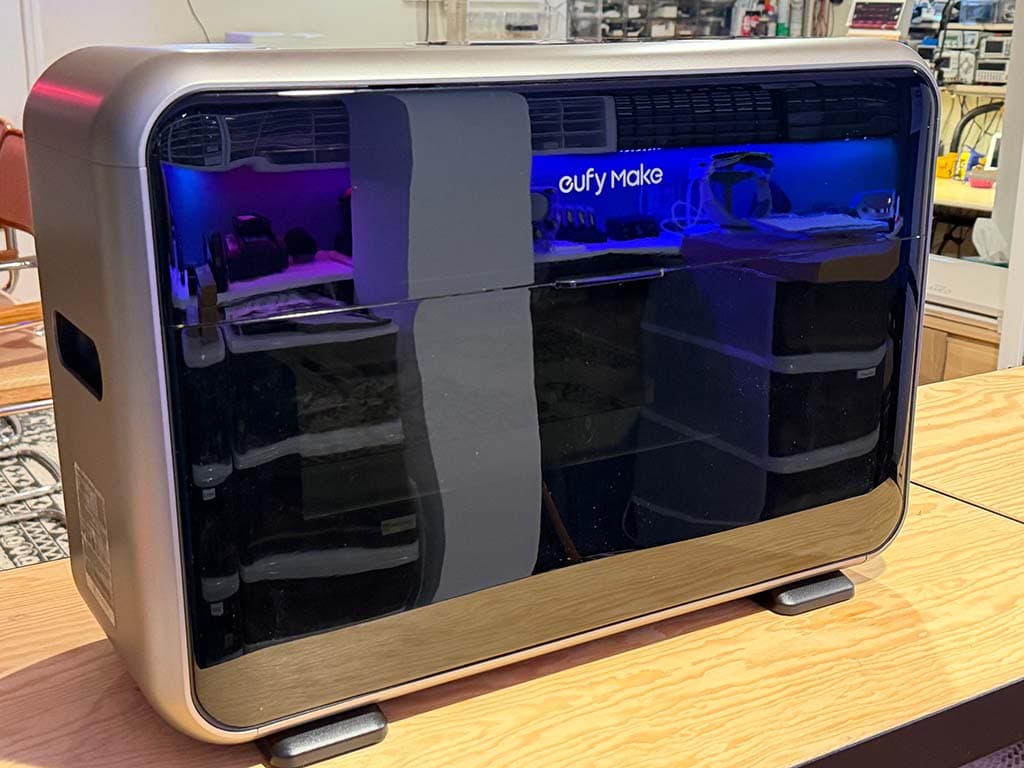
- Check dimensions — Make sure your blanks fit within the E1's print area
Adhesion Promoter: When and Why
UV adhesion promoters can improve ink adhesion on tricky surfaces like glass, metal, and some plastics.
💡Primer Application
Apply promoter in a thin, even coat using a spray or lint free cloth. Use the minimum amount needed to cover the surface. Let it dry for 5-10 minutes before printing. A thin coat is better: too much can cause adhesion issues of its own.
Conclusion
Choosing the right materials is the single biggest factor in UV printing success. Start with proven materials like powder-coated mugs and unglazed ceramic, and stay away from glass and sublimation blanks.
Check our Materials Directory for the latest curated and recommended products, and read our Getting Started Guide if you haven't already set up your printer.
Happy printing! 🖨️